


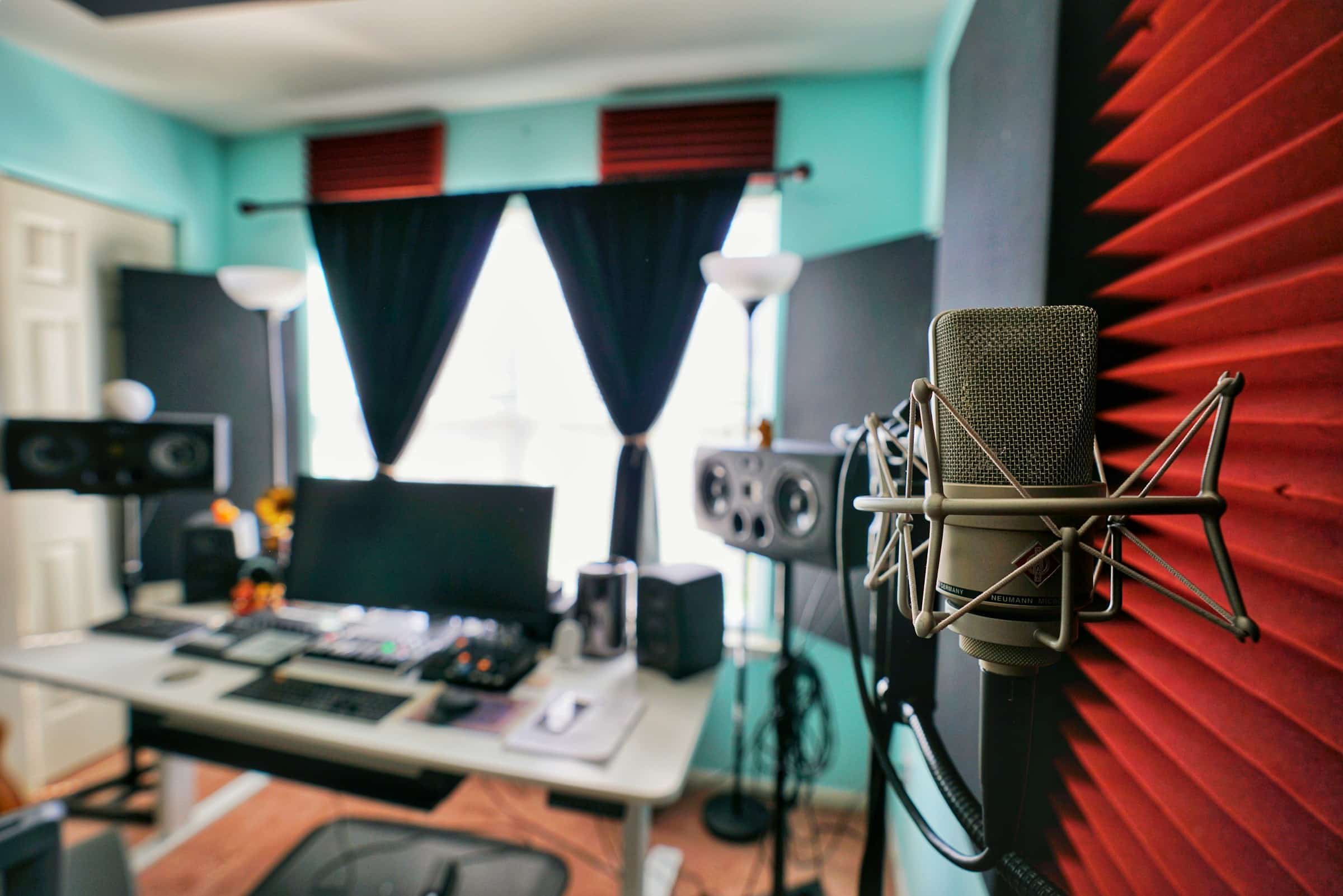
The record business used to decide what you were allowed to hear.
Label executives, radio programmers, and magazine editors stood between every band and every listener, and a “no” from them meant the music never reached you.
That wall has come down. An independent artist can now write a song on Monday, record it in a spare bedroom by Wednesday, and sell it to a fan on another continent by Friday without asking anyone’s permission.
This is the biggest change in music culture in a generation. It changes who gets heard, who gets paid, and what kind of relationship you get to have with the people who make the music you love.
Five shifts made it happen. Each one hands a little more power to artists, and to you.
How Independent Artists Bypass Record Labels
For most of the last century, a record deal was the only real way in. Labels paid for recording, pressing, distribution, and radio promotion. In return, they owned the masters and took the full advance back out of the artist’s royalties before the artist saw another cent.
That arrangement decided what you heard. A&R departments signed what they believed would sell, radio played what labels pushed, and anything outside that narrow lane stayed in local clubs and basements.
Plenty of great bands broke up without being heard beyond their hometown. All because no one with a checkbook had said yes.
The labels still exist, and they still hold enormous power. What they lost is the monopoly. A “no” from an A&R rep is no longer the end of the story; it’s a Tuesday. The artist uploads the record anyway, and the audience decides.
For you as a listener, the music reaching your ears no longer has to pass through a corporate filter first. You get to be the filter.
Why Home Recording Is Now the First Choice for Many Musicians
Punk bands in the late ’70s and ’80s pressed their own singles, booked their own tours, and traded tapes through the mail. DIY was a statement and often a necessity.
Today it’s the default path. A laptop and an audio interface can produce a record that would have cost thousands in studio time 30 years ago. Digital distributors then put it on every major streaming service for a small fee.
Musicians who once waited years for a label to notice them now treat self-release as the starting line. That’s why so much new music arrives, in so many more styles, and why the band you discover next week may have recorded their album in the room they sleep in.
Mollie McGinn and Orláith Forsythe of Dea Matrona wrote, recorded, and produced Hate That I Care themselves, much of it on the road.
Bandcamp Proved Fans Will Pay for Music They Love
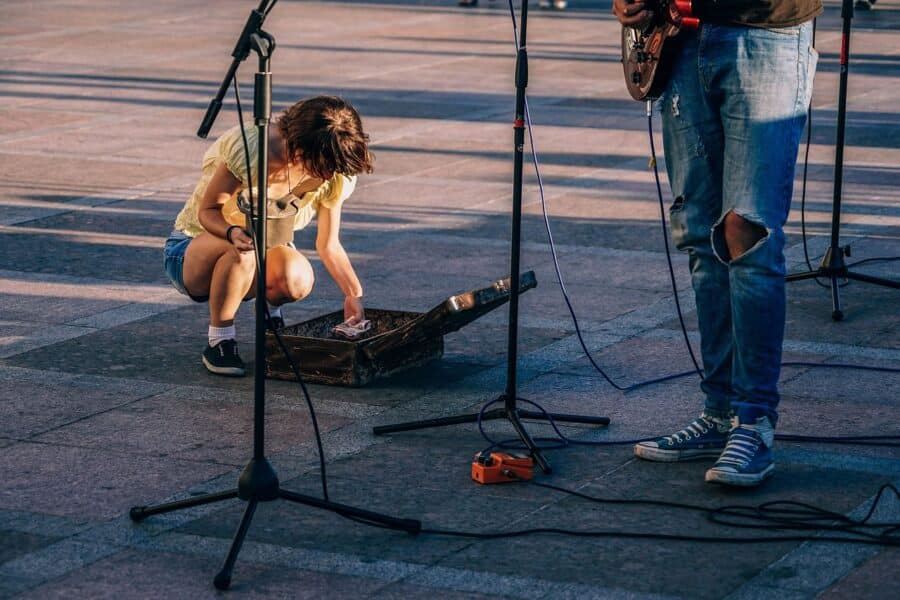
Streaming taught a generation that music is free, or close to it.
Artists earn fractions of a cent per stream, so a band needs enormous play counts to cover a month’s rent.
Bandcamp flipped the model. Fans buy albums, tracks, vinyl, and merch straight from the artist’s page.
Bandcamp says artists and labels receive 82% of each sale on average, typically within 24 to 48 hours.
Its cut on digital items is 15%, dropping to 10% for artists who have sold $5,000 in the past 12 months, and the share on physical items like merch, vinyl, and CDs is 10%.
Then came Bandcamp Friday. It started as a way to help artists who lost touring income during COVID-19, and on those days Bandcamp waives its revenue share (payment processing fees still apply).
The program has raised more than $160 million for independent artists since 2020, and the first Bandcamp Friday of 2026 brought in $3.6 million in 24 hours.
Those numbers disprove something the industry treated as settled: people will pay for recorded music when they know where the money goes. A $10 album bought on Bandcamp can pay a band more than a thousand streams.
When you hit “buy,” you’re funding the next record.
How TikTok and Instagram Changed Music Discovery
Radio used to introduce you to new music. Now your phone does.
Bands post rehearsal clips, studio snippets, and live footage on Instagram and TikTok. A 30-second video can put a song in front of more people in a weekend than a year of college radio airplay. Fans share what they love, and word of mouth travels as fast as a repost.
The algorithms that pick what lands in your feed are a new kind of gatekeeper. They reward posting often more than they reward craft. The difference is that everyone gets in the door. A band with no budget and a great song has a real shot, which was never true when a few program directors held the keys.
Why Direct Artist-Fan Relationships Matter
Everything above leads here.
When an artist sells you a record directly, they know who you are.
When you follow them, you see the work as it happens: the demos, the broken-down van, the sold-out show in a 200-capacity room.
When you comment, they often reply.
That connection used to belong to the label, which held the mailing list, the sales data, and the relationship. Now it belongs to the artist and the fans. A band with a dedicated core of fans who buy every release and show up to every gig can keep going for years, and those fans know they made it possible.
Instead of being a line in a marketing plan, you become part of the reason the music exists.
How to Support Independent Artists (Buy the Record)
The independent wave is the healthiest thing to happen to music culture in decades. More voices get heard. More of the money reaches the people making the art. Fans get a seat at the table instead of a spot in the crowd.
But it only works if you show up. Stream the album, then buy it. Grab the shirt at the merch table. Share the band nobody’s heard of yet.
The last Bandcamp Friday of 2026 is December 4th. Pick one artist you love and put your money where your playlist is.
And bookmark Sonic Pulse Reviews. We’re an independent music publication focused on indie and emerging artists. We’ll keep you in the loop!


Independent Artists Are Changing the Music Industry