


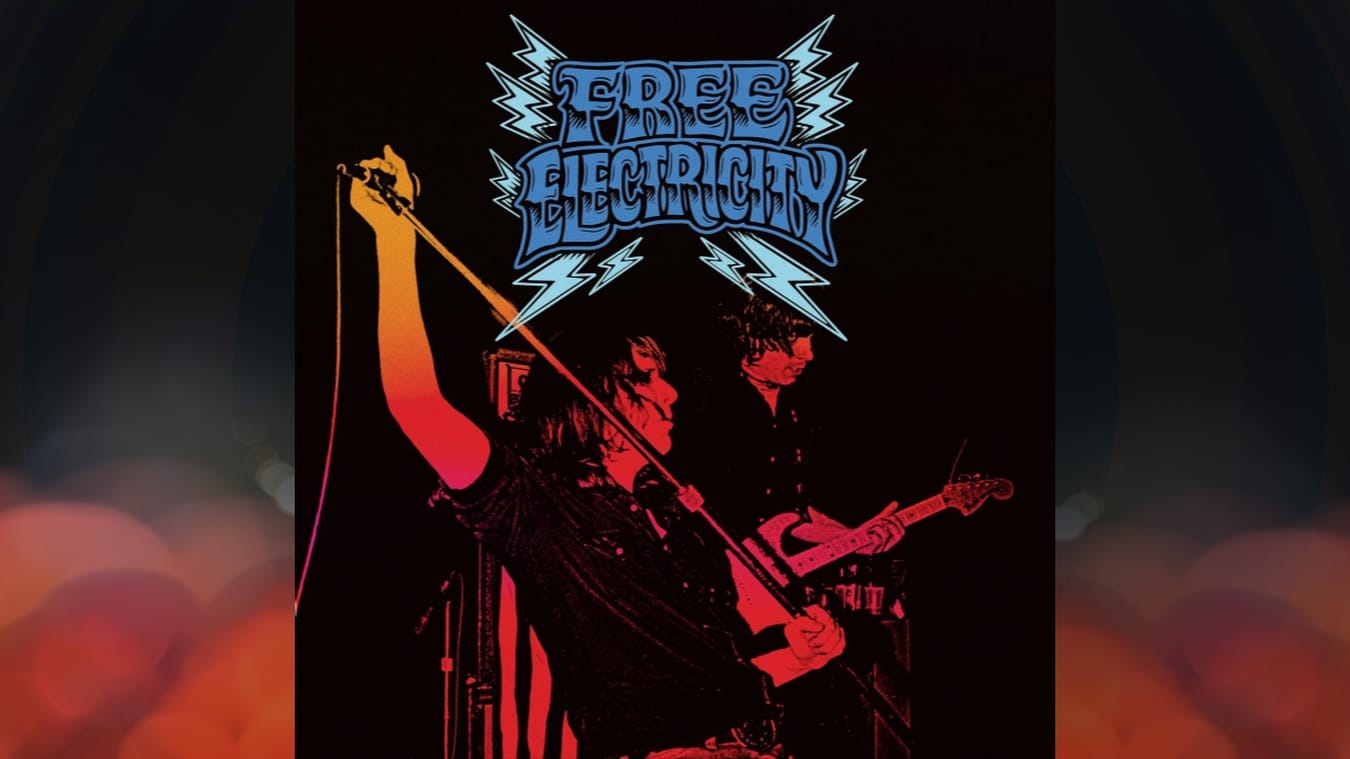
Free Electricity by The Go is a wild bit of rock history.
Quick Pulse
- Label: Sub Pop Records
- Released: September 4, 2026
- Genre: Rock
- Style: Psychedelic / Garage
- Website: music.subpop.com
The Go are a Detroit garage-rock band who formed in 1996 and put out their debut, Whatcha Doin’, on Sub Pop in 1999, notably featuring Jack White on guitar just before he left to focus on the White Stripes. After White’s exit, the band offered Sub Pop a follow-up, Free Electricity, in 2001.
The original mix was rejected as too “out there”, and Sub Pop’s response was a resounding no.
The band ended up dropped from the deal, and the album was relegated to lost-classic status. They moved to the Lizard King label instead and released a completely different self-titled album two years later. That wasn’t the end of the story though.
"Free Electricity" takes The Go from rejected to bootleg status
The album didn’t just sit silently in a vault for 25 years. In 2011, someone pressed it as an unofficial bootleg from the actual master tapes, in the band’s confirmed final mix — in a numbered edition of just 200 copies. It was a real collector’s-grade release: 50 “deluxe” copies with hand-painted paste-on sleeves, a handful of blue-vinyl test pressings, stenciled sleeves, the works.
This was unauthorized and considered a bootleg by the band, but it’s what kept Free Electricity‘s reputation circulating among Detroit garage-rock diehards and collectors for over a decade — the “legendary lost album” mythology built up largely through word of mouth and this underground pressing.
Sub Pop went back into their own archive
The official 2026 announcement came from Sub Pop itself, framed almost playfully. Their July 8, 2026, news post credits it to “Sub Pop’s crack team of archivists” who’d been “plumbing the murky depths” of the label’s own archives.
So, this wasn’t a case of tapes being discovered in someone’s attic; the masters were apparently always sitting somewhere in Sub Pop’s own vault, and the label made the decision, decades later, to go back and officially release what they’d once rejected.
Free Electricity: raw, adventurous and unbridled
The best way to prepare yourself for Free Electricity is the words of the album’s mixer/producer Matthew Smith:
When I sat down to mix the track, the reverb tank seemed to open up like a giant hole in the earth's crust and suddenly what came out of the speakers was a big, cavernous sound, like some haunted frequency beamed across the time barrier from the Grande Ballroom circa 1968. At this point, the mixing board felt more like a Ouija board. We were going where the music was leading us, and the strange sounds just kept on coming.
Matthew Smith (Source: www.subpop.com/artists/the_go)
The album’s title track lets you know what’s coming from the first note. Smith’s suggestion to “do a take with the lead guitar blasting non-stop” captures the garage rock sound perfectly.
Turn up the volume and close your eyes. You’ll believe you’re back in high school sitting in the garage of the neighborhood cool kid, listening to his rock band.
“Secular Century Man” is the album’s second track and the opening line “Altered states of consciousness have kissed my brain in permanent waves” brings greater understanding of Smith’s reference to 1968.
The guitar tone, the lyrics, the “vibe” all would have been at home on 1968 rock radio alongside the contemporary bands of that era.
“All Dimensions Are Loose” gives us more of a groove. Drummer Marc Fellis lays down a nice snare/high-hat pattern before we’re greeted with the now familiar fuzzy guitar, played by John Krautner and Dion Fischer. Bobby Harlow is the vocalist and Dave Buick the bassist.
Smith remembers the band was heavily into the free jazz era of the 60s, and that free style jam experience comes through in this track. Fellis never lays off that snare, and Fischer delivers with the solos.
One track that wanders into slightly different territory is “Into Outer Space.” This song, from the vocals to the guitar work, has a bit of a shoegaze feel to it. The mellow vocal style, pacing and guitar tone all lend to more of a dreamy feel and is placed at a good spot in the album to break up the sludgy, garage style of the previous songs.
The closing song, “Golden Dawn,” is a love song that leans pop lyrically, with the drums and guitar of rock. At no point in the song or the album are we taken out of the illusion we’re in our friend’s garage though.
2001 wasn’t ready for "Free Electricity"
I really can picture the expression of whoever first heard Free Electricity at Sub Pop Records in 2001. I can imagine the “what the hell is this, 1968?” thoughts that may have run through their mind. Smith himself says some people thought the band was crazy.
What makes Free Electricity great is The Go wasn’t trying to make a retro album. You can hear the likes of MC5 and The Stooges. But they didn’t set out to copy those bands. Instead, they went into a studio to jam. And they were blessed with a producer who kept telling them to turn it up.
Free Electricity is available now on streaming platforms, with preorders for physical media open through Sub Pop Records or Bandcamp.
